Modern society develops at high speed and demands continuous learning from all people. The technological progress, workplace tool evolution and industry standard changes makes it essential for people and businesses to maintain their skills through regular skill updates and upgrades.
Continuous learning helps people stay adoptable. It also keeps people motivated and competitive. The practice of continuous learning gives businesses benefits. It leads to operational improvements and cuts down skill shortages. Through continuous learning we create a place where learning can thrive.
What is Continuous Learning?
People who practice continuous learning actively seek knowledge and skills throughout their entire life span. The method of continuous learning differs from traditional training because it focuses on continuous improvement through formal educational programs. People can develop their skills through direct work experience and receive feedback and pursue self-directed learning paths.
People who want to learn continuously participate in the activities such as:
- Reading
- Online courses
- Certifications
- Learning new hobbies
- Learning new tools
The process of professional development at work includes two main elements which are Upskilling and Reskilling. Some additional elements are Coaching, Mentorship and Structured company training programs.
We see that continuous learning approaches help people meet the industry requirements while they keep learning. The continuous learning approach keeps people ready for challenges.
Organizations build a workforce that is ready for the future.
Importance of Continuous Learning
Continuous learning is a vital factor which helps people advance their careers and helps organizations achieve success. The workplace environment undergoes rapid transformations. Workers need to learn new technological skills, they must understand shifting customer needs and adopt fresh operational approaches.
- Employee development maintains organizations ability to adapt and stay competitive in the market.
- People who keep learning achieve better job satisfaction and stay employed.
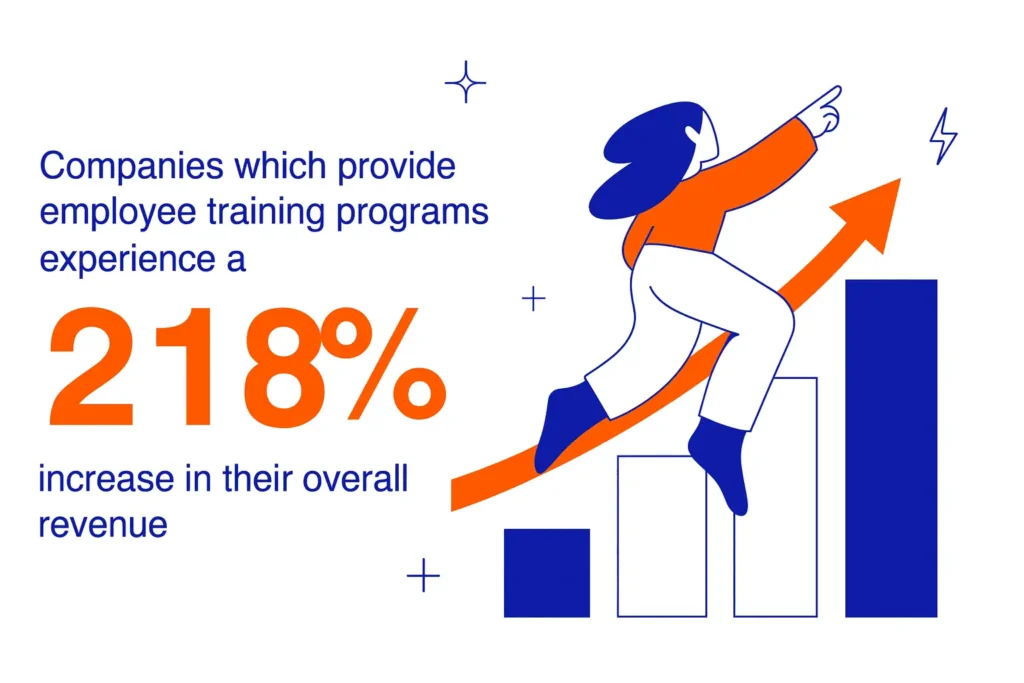
Companies which provide employee training programs experience a 218% increase in their overall revenue.
Benefits of Continuous Learning for Organizations
1. Motivated and Engaged Employees
Organizations that support ongoing learning activities create a sense of value and support for their staff members. The learning process helps employees develop self-assurance which leads them to become more active participants in their work activities.
Organizations that develop continuous learning programs achieve better employee satisfaction and lower employee turnover because 45% staff members who get support for professional development are more likely to stay in the company.
2. Improved Overall Performance
Employees who receive proper training execute their work tasks with higher speed and lower mistake rates. The practice of continuous learning helps maintain current skill levels which leads to better operational performance and increased productivity.
Though continuous learning teams develop faster problem-solving abilities which results in better adaptability to changes.
3. Faster Organizational Growth
Organizations that adopt continuous learning methods achieve faster innovation rates. Those who train their teams with current industry knowledge and trends can create new products and improve workflows and enter new markets with higher confidence and competency.
4. Cost-Effective Internal Skill Development
The process of finding new employees through recruitment becomes expensive and time-consuming. The practice of continuous learning allows businesses to train their current staff members which decreases recruitment expenses and develops stronger internal expertise. The process of employee movement becomes simpler because staff members continuously build their skills.
5. Better Customer Experiences
Staff members who receive ongoing training deliver superior service to their customers. The continuous learning process enables employees to deliver better service to customers because they develop enhanced communication skills, problem-solving abilities and service delivery quality. The improved service delivery leads to higher customer satisfaction which results in long-term customer loyalty.
Benefits of Continuous Learning for Individuals
1. Career Advancement through New Opportunities
People who constantly develop their skills are ready for career advancement. People who get career advancement often move into leadership positions and specialized roles. And those who keep learning stay competitive in the tech field.
2. Increased Professional Confidence
Learning new abilities leads people to experience pride and self-assurance. These new skills make staff members take on extra work responsibilities because they develop professional confidence.
3. Knowledge Sharing with Team Members
People who learn continuously get to new positions such as team leader, supervisor. They then teach their colleagues new skills and knowledge. The practice of knowledge sharing creates better teamwork and strengthens team bonds. It also builds an environment where everyone can learn from each other.
4. Earning Certifications and Maintaining Licenses
Many professions need their workers to stay certified and licensed through ongoing renewal processes. People who learn continuously maintain their professional compliance while building their expertise. The process of obtaining certifications helps people build their professional reputation in the job market.
5. Personal and Professional Enrichment
Continuous learning builds creativity and curiosity in people. Continuous learning also builds thinking and the adaptability in people. People who practice learning get better at handling challenges: they become open to change.
Strategies for Implementing Continuous Learning
1. Identify Skills Gaps
Organizations need to determine their team members’ required training areas before starting their development program. Organizations can determine their employees’ learning requirements through performance reviews and employee feedback and skill gap assessments.

2. Get Team Buy-In and Support
A continuous learning environment requires employees to show interest in learning activities. Staff members must understand the value of learning problems and leaders must make sure it is accessible for everyone.
3. Implement a Learning Management System (LMS)
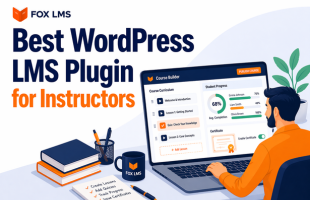
An LMS system streamlines all learning activities from start to finish. A wordpress LMS Plugin such as FoxLMS enables users to access training materials through one interface while tracking student development and running automated assessments, generating individual learning routes. The system enables organizations of all sizes to execute continuous learning programs at scale with maximum efficiency.

4. Encourage Learning by Doing (Practical Application)
Active learning through practical application produces better results than traditional learning methods. Organizations should let their staff members apply new skills through actual work situations while working together on projects and team-based activities for better understanding.
5. Personalize and Customize Learning Experiences
Each student requires distinct educational approaches. Employees can learn at their own pace through personalized learning paths and flexible pacing and microlearning modules which maintain their motivation levels.
6. Build a Peer-to-Peer Learning Culture
- The practice of peer learning through group discussions, workshops and knowledge-sharing
- The sessions help the employees build the employees skills together. The sessions help the staff members develop the staff members skills better.
- Teamwork and internal expertise by improving their communication with each other.
7. Recognize and Reward Learning Efforts
Employee motivation increases when organizations show appreciation for their learning achievements. Organizations use bonuses, recognition programs and career advancement opportunities to reward employees who achieve certifications and finish training modules to develop new skills.
How to Get Started With Continuous Learning
People and organizations can initiate continuous learning through two main steps.
Employees need to establish specific learning targets which include particular abilities and qualifications and industry-recognized certifications.
Students need to pick their learning methods between classroom instruction, hands-on training, individual coaching, and work-based education.
The system enables efficient training delivery through its Learning Management System (LMS) functionality.
The system enables users to monitor their advancement while making necessary adjustments throughout their learning process.
Learning should occur through regular sessions even when students learn in small increments.
The beginning of any learning process should be small because it provides better results than attempting to start with a large amount of work. The most effective learning paths emerge from consistent effort rather than trying to learn too much at once.
Conclusion
Without continuous learning people will simply fall back no matter what their starting point and the knowledge they have. Continuous learning helps people to advance their careers. It builds their self-assurance and develops their personal skills which means a mentally healthy society.
Organizations that implement continuous learning programs show better performance levels, innovation capabilities and stay competitive in the market.
Frequently Asked Questions (FAQ)
1. What is continuous learning in the workplace?
The workplace learning process of continuous development helps employees build new competencies while they learn to use modern technology and maintain their market competitiveness. The training program includes official instruction and workshops and online education and coaching services and self-directed learning opportunities.
2. Why is continuous learning important?
The world we live in shifts every second and continues learning helps to stay adaptable and open to change. It’s important both for individuals and organizations. The practice enhances operational excellence while enabling career advancement and driving creative thinking.
3. What are examples of continuous learning?
The list of continuous learning examples includes online training and mentorship and job shadowing and webinars and certifications and professional courses and peer-learning activities and hands-on project experience.