The requirement for annual compliance training has developed into an essential operational framework which now serves as a fundamental system. Organizations will need to demonstrate employee understanding of rules and regulations through training programs which must show evidence of delivery, assessment and maintenance throughout 2026.
The training program for employees provides them with clear guidelines about their responsibilities to follow workplace rules, safety protocols and maintain proper data management and ethical conduct.
What Is Compliance Training?
The learning process of compliance training provides employees with formal instruction about all applicable laws and regulations, company policies and ethical guidelines which affect their professional duties.
The main objective of this policy exists to guarantee that all staff members follow these guidelines:
- Know which rules apply to their role
- Understand the consequences of non-compliance
- Real-world scenarios require proper implementation of established policies
- Report concerns through approved channels
Organizations in regulated environments use compliance training as official records which prove their efforts to stop violations from happening.
Mandatory vs Optional Compliance Training
The law requires all employees to receive mandatory compliance training which they must finish and organizations need to monitor and maintain records of their progress. Organizations need to follow legal requirements which include both participant involvement and certification document preservation.
The required subjects for study include:
- Workplace health and safety
- Anti-harassment and discrimination
- Data protection and privacy
- Industry-specific regulations
The optional compliance education system helps organizations build internal governance and ethical culture but it lacks legal authority to enforce compliance.
These programs exist as voluntary initiatives which help organizations decrease their exposure to risks while making their staff members more knowledgeable about workplace safety.
The identification of these two categories requires immediate attention because it determines how organizations should distribute their training budget and select which compliance topics to focus on.
Why Compliance Training Exists Across All Industries
The requirements of compliance extend their reach into all sectors of operation.
Healthcare requires three essential elements which include patient confidentiality, clinical safety and HIPAA compliance:
- Finance: anti-money laundering, fraud prevention, regulatory reporting
- Technology and SaaS: GDPR, cybersecurity obligations, data governance
- Manufacturing: OSHA standards, environmental regulations
- Retail and services: labor laws, consumer protection, workplace safety
Workplace compliance training for all industries requires specific training for each job role which should be delivered multiple times and organizations need to verify employee completion.
Compliance vs Security vs Privacy Training
The three training programs maintain separate functions although they share common elements.
The main objective of compliance training involves teaching employees about all applicable laws and regulations together with their organization’s established internal policies.
Security training programs teach employees about system access procedures, cyber threat identification and methods to defend infrastructure systems.
The training program about privacy teaches staff members to handle personal information and to respect the rights which data subjects possess.
The programs need to operate independently from each other while their goals should match for better understanding and better performance tracking.
Examples of Compliance Training
Organizations implement different compliance training examples which belong to specific fundamental categories.
Workplace Compliance Training
Common programs include:
- Anti-harassment and discrimination prevention
- Workplace safety and accident prevention
- Codes of conduct and ethical behavior
The programs work to decrease workplace accidents while creating environments which support both employee safety and professional respect.
Data Protection and Privacy Training
The curriculum includes the following subjects.
- GDPR principles and lawful data processing
- Secure storage and access control
- Incident and breach reporting procedures
Organizations that handle personal or sensitive data need these essential programs.
Industry-Specific Compliance Training
Examples include:
- Healthcare compliance and patient safety programs
- Financial compliance and AML training
- Environmental and sustainability compliance
The programs fulfill specific regulatory standards which apply to their respective business sectors.
Compliance eLearning Examples
The current compliance eLearning examples consist of:
- Short, focused learning modules
- Scenario-based simulations
- Role-specific learning paths
- Automated assessments and certifications
Organizations today use online compliance training to achieve three main goals which include standardized delivery, unified documentation and audit preparedness.
What Compliance Training Means for Employees
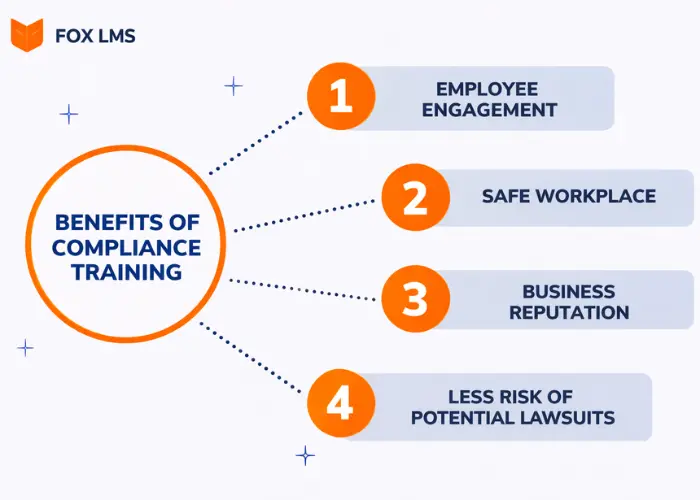
The training program teaches employees to handle regular workplace scenarios which might lead to legal or ethical problems.
The implementation of proper compliance training for staff members enables them to:
- Understand laws and internal policies relevant to their role
- Recognize non-compliant or risky behavior
- Respond correctly to incidents or violations
All reports should follow established procedures which protect employees from workplace intimidation.
Staff compliance training that lacks clarity or uses outdated information or shows inconsistent delivery will lead employees to perform unintentional errors which result in legal risks for their organization.
Why Companies Must Provide Compliance Training
Legal Obligations and Enforcement
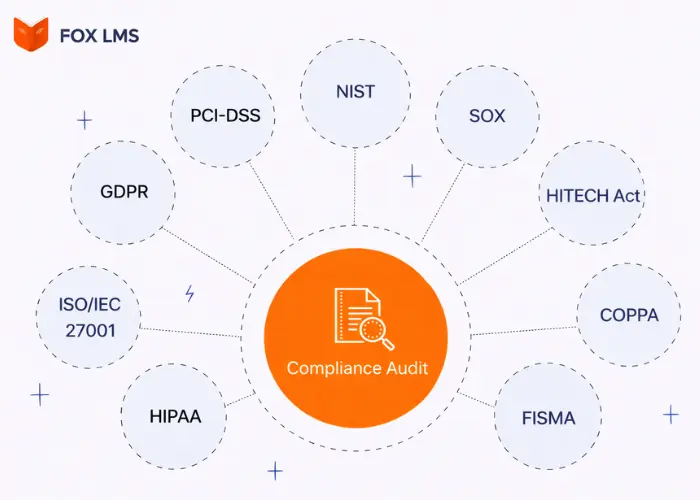
The law requires compliance training in various business sectors and geographic areas. Organizations must provide employee education about relevant regulations while keeping documentation which shows both training completion and understanding of the material.
Examples include:
- GDPR for data protection and privacy in the EU
- HIPAA for healthcare data and patient confidentiality
- OSHA for workplace health and safety
- AML and SOX regulations in finance and corporate governance
Organizations that fail to fulfill their compliance training obligations will face penalties which include monetary fines and regulatory sanctions. They risk failing their audits and losing their operating permissions.
Ethical Responsibility
The program teaches employees to follow rules through educational programs which help them understand ethical conduct and maintain equal treatment for all. The program creates an organizational environment which reduces both employee misconduct and employee willingness to report such behavior.
Operational Risk Mitigation
The operational benefits of compliance training include:
- Decreased incidents
- Reduced downtime
- Employee departures
- Protection of organizational reputation.
The system enhances both internal control systems and team member accountability throughout the organization.
Rising Regulations in 2025–2026 and Remote Workforce Challenges
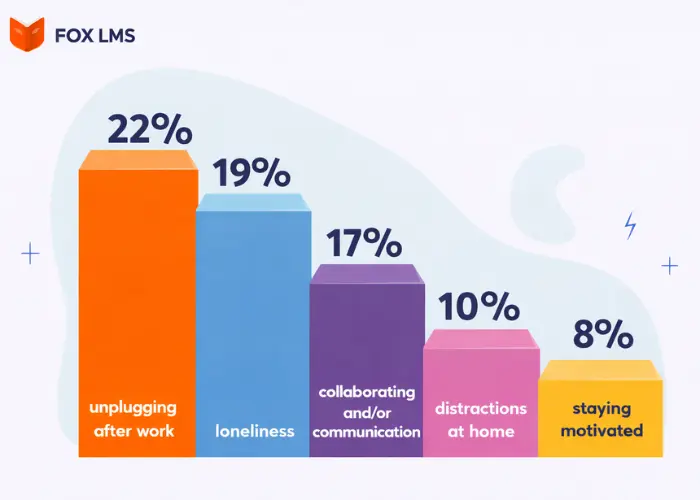
The world now experiences rising regulatory control which focuses on data protection, workplace safety, and financial transparency standards.
The implementation of remote and hybrid work models creates new compliance challenges because they affect how organizations manage access permissions, distribute information, and monitor employee activities. Organizations operating in 2026 need to handle:
- Cross-border compliance training requirements
- Remote access to regulated systems and data
The organization faces challenges because different locations apply their policies in ways that do not match each other.
Higher expectations for documentation and audit trails
The organization needs online compliance training for employees because it provides essential solutions to achieve scalability and automation, and maintain regulatory compliance.
How to Measure Compliance Training Effectiveness
Training programs which prove effective through data collection methods use measurable performance indicators. Having a great lms system in place will help companies measure training effectiveness easily.
Course Completion Rates
The system tracks team completion rates to verify that all required training obligations have been fulfilled.
Quiz and Assessment Performance
The assessment process confirms that students have learned the material and they can maintain their acquired knowledge.
Incident Reduction and Safety Reports
Training programs lead to successful results when organizations achieve lower numbers of violations and accidents.
Audit Readiness
The organization maintains clear documentation and certification records which help them pass through regulatory audits and inspection processes.
Employee Compliance Reporting
The rise of reported concerns shows that employees have developed better trust in compliance systems and understand their functions better.
Ongoing Behavior Change
The way people make their daily choices depends on compliance education because it teaches them beyond what they need to pass tests.
Frequency of Policy Violations
The occurrence of multiple violations suggests that there are deficiencies in either the training materials or the methods used to enforce them.
LMS Analytics and Dashboards
Best LMS platforms centralize:
- Training history and audit trails
- Certification and renewal status
- Compliance risk indicators
The guide to LMS analytics for compliance tracking provides additional information about this topic.
Steps for Implementing Online Compliance Training
Identify Regulatory Requirements
The HR department together with compliance teams need to create a system which shows all relevant laws and regulations and company policies that affect specific roles, areas of operation and business sectors.
Set Compliance Learning Goals
The organization needs to establish specific learning targets which align with both legal requirements and operational needs.
Assign Mandatory Training by Job Role
The level of compliance education needed varies between different professional roles.
Select an LMS or Compliance Platform
A learning management system which provides strong support for corporate training needs to be implemented at this stage.
Ensure the platform supports:
- Automated assignments and reminders
- Certification management
- Documentation and audit trails
- Centralized reporting
Create Engaging Learning Content
The content should use basic terminology together with visual elements and authentic work environments.
Add Assessments and Certifications
Certifications serve as official documents which verify that organizations have met all required standards.
Automate Reminders and Renewals
Annual compliance training and all recurring requirements need automation for proper execution.
Monitor Reporting and Audits
The implementation of centralized records systems or lms reporting decreases both administrative work and the potential for regulatory noncompliance.
Update Training as Laws Change
The educational program for compliance needs periodic assessment and maintenance of its content.
Tips and Best Practices for Compliance Training
The content should maintain its focus on practical applications which directly affect the work activities of employees.
- Use real-life workplace scenarios
- Personalize training by department
- Localize content for regional regulations
- Use microlearning for policy updates.
- Track completion and certifications in an LMS.
The organization should run refresh training sessions both yearly and whenever new laws become effective.
Communicate updates quickly and clearly.
The system should implement AI tools which perform automated compliance alert functions and risk monitoring operations.
Conclusion
Organizations need to follow compliance training because it satisfies their legal requirements and provides them with operational benefits.
Organizations which implement ESG management as a quantifiable system instead of treating it as a simple requirement will achieve superior risk management and regulatory compliance.
The organization needs online compliance training for employees which must scale up through 2026 while using automated systems, analytical tools and regular system updates to achieve audit readiness and operational integrity.
FAQ
What is compliance training?
The purpose of compliance training is to teach staff members about all workplace laws and organizational rules which they need to obey.
Is compliance training mandatory?
Yes, many industries and roles require this practice. Requirements depend on location, industry, and job function. The frequency at which organizations should deliver compliance training remains unclear.Organizations need their staff members to complete annual compliance training which they must update whenever new regulations or policies become effective.
Can compliance training be delivered online?
Yes. Online compliance training serves three main purposes because it helps organizations scale their operations while it automates training processes and generates audit-ready documentation.
How do companies track compliance training completion?
Organizations implement LMS systems to monitor employee activities through assessment tracking and certification management and audit trail monitoring.