People do not get better at their jobs simply by working more diligently. Real progress happens once goals are laid out plainly, insights arrive regularly, while growth follows a thoughtful path. That very purpose drives performance management.
Today’s work settings move quickly, making skill gaps worse over time while priorities change without warning. Annual check-ins once ruled assessment, yet they now fall short of today’s needs. A smarter approach means building systems that adapt – yet remain clear and steady – to keep people moving forward, involved, and growing through shifts.
This guide dives into performance management – what it means, how things play out in real life, then moves to ways groups can shape better groups and steady results over time.
What Is Performance Management?
Every day, performance guidance shapes how people at work connect with company aims – using targets, open talks, reviews, plus growth chances.
A practical way to see performance management means:
- Clear performance expectations
- Ongoing monitoring and feedback
- Regular evaluation of outcomes
- Support for employee growth and learning
Performance reviews aren’t about grading people. They aim to boost skills, not label them. Growth matters more than conclusions.
What Is the Performance Management Approach?
How people are guided, tracked, and improved at work depends on performance management methods. Teams within a company often feel these structures shaping daily outcomes.
A solid way forward involves:
- Continuous instead of annual checks help catch problems sooner
- What drives it is growth first, punishment second
- Working together helps more than one person giving directions
A good number of companies use an organized way to manage how people perform their jobs, linking ambitions, comments, growth chances, and payoffs. Such setups usually link into starting work procedures and broader company learning efforts, making sure staff gain essential abilities when needed most.
Day-to-day activities start shaping how people are evaluated once it becomes routine. Over time, assessment stops feeling like paperwork and begins matching the workplace atmosphere.
The Performance Management Cycle

Every round brings fresh chances to set goals, give help, check results, then strengthen what works.
Planning
Setting goals shows everyone where success goes. People in charge and staff members match efforts on:
- Individual and team goals
- Key responsibilities
- Performance indicators
A clear performance management plan eliminates ambiguity and helps employees focus on priorities that matter.
Example:
Every few months, the group reshapes its aims as company needs shift – staying aligned and fixed.
Monitoring
Checking in often matters more than watching every move. Progress gets followed closely so issues get caught fast. Support shows up when things block team forward motion.
At this point, tiny problems won’t grow into work hindrances, plus people stay on the same page right through December.
Evaluating
Looking at what was achieved, evaluation checks progress against clear targets by combining descriptive comments with quantifiable results.
Modern evaluations emphasize:
- Here’s what helped
- What didn’t work out?
- What skills need improvement
This builds a base where growth talks truly matter.
Rewarding
What people do tends to stick when rewarded. It could look like:
- Money-based rewards
- Promotions
- Public recognition
- Learning and growth opportunities
What matters is noticing people’s effort early, then tying it straight to how they’re doing.
Benefits of Performance Management
When done right, tracking work results brings clear benefits.
Set clear expectations
When people grasp clear expectations, their efforts align better with overall team aims. Clarity on job roles helps workers feel part of something larger.
Increase retention
People stay longer when they get honest feedback plus chances to grow. Turnover drops too under those conditions.
Identify training needs
When looking at how people perform, clues show where strengths fall short. This information helps shape the direction of learning through work-related training programs.
Continuous learning
When talking about job performance, it often connects to setting growth paths – helping workers build new skills or adapt to different roles.
Better communication
Talking often helps workers feel more connected to their supervisors. What happens in these talks stays out in the open.
Engagement
People start feeling backed up, not judged, so drive and engagement tend to rise.
Productivity
What gets measured tends to move forward. Clear tasks help energy stay where it counts. Outcomes follow when nobody drifts into someone else’s lane.
Define career paths
Workers begin to notice where they stand when results start showing what works. Growth paths inside companies become clearer through shared performance numbers.
Build autonomy and accountability
Workers drive results themselves, instead the manager steps in as a guide.
Why Is Performance Management Important?
What keeps teams on track also ties daily work to bigger company goals.
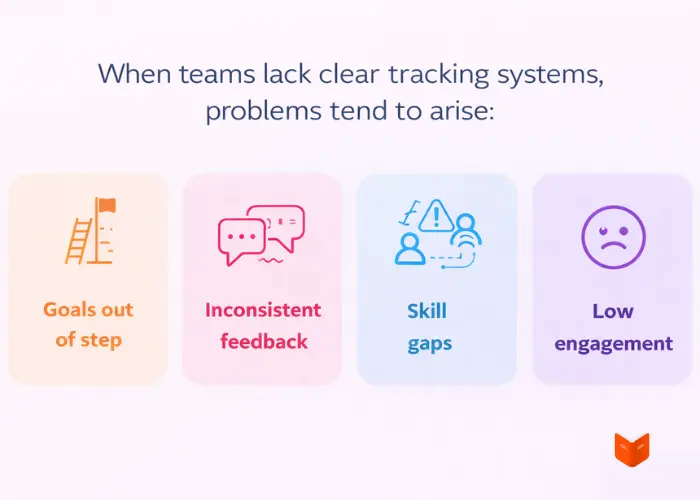
When teams lack clear tracking systems, problems tend to arise:
- Goals out of step
- Inconsistent feedback
- Skill gaps
- Low engagement
Every study done links better worker involvement and results to companies that keep giving regular updates on growth. One report from the Society for Human Resource Management backs this up clearly. Work covered in a Harvard Business Review study shows people do more when they get real, useful comments on what they do each day.
When things shift fast, tracking results keeps companies on track. Agility finds its rhythm here. Staying sharp in a changing world becomes easier. Resilience grows quietly beneath. Competence takes shape without grand announcements.
Performance Management Best Practices
Performance should fit with what the company aims to achieve
Each personal aim needs to fit within bigger company goals.
Pursue continuous accountability
Hold reviews just once a year? Try ongoing updates instead. Check in often, watch growth unfold.
Establish excellent communication channels
Start by inviting honest talk – this helps people really connect and get things clear.
Use performance management software
Today’s performance tools make it easier to log progress, share thoughts, and see results – all with less paperwork.
Set goals you can actually reach
Goals need to fit reality, clear to track, yet ready to shift when circumstances alter.
Incorporate learning and development opportunities
Link work results to company learning efforts where staff members participate in making progress.
Immersive Role of Performance Management in L&D
What happens when learning grows alongside feedback isn’t always obvious. Still, those parts fit more naturally than they seem.
Performance data shows:
- Skill gaps
- High-potential employees
- Development priorities
With performance data flowing into learning platforms, companies gain the ability to:
- Personalize learning paths
- Support continuous improvement
- Strengthen internal mobility
Here is how performance management pushes results more than just following rules.
Conclusion
Growth happens step by step, not once then done, instead it flows through regular checks that influence careers over time.
Done well, performance tracking links targets to growth, fuels ongoing improvement, boosts involvement, and lifts overall output. Companies making performance part of daily life build spaces where talking about results feels routine, learning matters, and better work happens without force.
FAQ
What is performance management?
Achieving targets defines how teams grow. Progress checks happen often, not just once a year. Feedback flows both ways – clear notes help people learn fast. Growth matters more than quick wins, so workers keep building skills over time.
Why is performance management important?
What matters most is fitting worker actions into company objectives, which boosts involvement while spotting missing abilities and making growth through training easier to sustain.
What is the performance management cycle?
A flow begins not with a start but stays active through steps like setting goals, watching results, then reviewing them while giving credit where due.
How is performance management different from performance appraisal?
Every year, reviews often check progress. Still, day-to-day tracking matters more now. Growth shapes today’s tasks than yesterday’s ratings ever did.
What tools are used in performance management?
Performance management uses various tools. Some common ones include checklists, rating scales, observation sheets, and feedback templates. These help teams track progress clearly.
Tools that show progress help companies stay on track. Systems for honest feedback keep teams aware. Platforms where people pick up new skills support growth. Software used to watch work outcomes guides efficiency.