Cohort-based learning changed the way people learn online. The learning environment is designed to provide students with scheduled discussions and immediate help from their peers. The learning approach enhances student participation while maintaining their sense of responsibility. Modern education and team training programs have adopted this approach as their preferred method of learning.
Key Takeaways
- The cohort-based learning model breaks students into groups which follow the same educational progression.
- The approach enhances student teamwork and responsibility levels while leading to better completion results.
- The method suits educational programs that include bootcamps, online learning, executive development and fellowships.
- The implementation of cohort learning leads organizations to achieve better student participation and develop a more effective learning environment.
- A successful cohort program requires both organized scheduling and real-time interactions.
- The learning approach enables students to use their new skills immediately
What Is Cohort-Based Learning?
The educational model of cohort-based learning requires students to follow the same course schedule as their peers in the same group.
The learners share common deadlines, they participate in group discussions and work together on assigned tasks. The cohort learning approach differs from self-paced courses because it focuses on student interaction and structured learning with performance tracking to create an active educational environment.
This educational approach operates through universities, corporate training programs, accelerators and professional development tracks.
Students in cohort-based learning programs experience education through collective learning with their peers.
This model is also referred to as:
- cohort learning
- cohort training
- cohort-based course structure
- cohort learning platforms (technology that supports this model)
For many organizations cohort learning consistently leads to higher engagement, better skill application, and stronger learning communities.
Examples of Cohort-Based Learning
Cohort-based learning shows up in many types of programs. The most common examples are:
Bootcamps
The cohort model serves as the primary educational approach for bootcamps teaching:
- Coding
- Data science
- Cybersecurity
- UX/UI development
The program structure includes intense learning sessions with students who work together on assignments while getting immediate feedback and help by teachers.
The intense learning approach succeeds because cohorts create continuous progress that maintains student motivation during difficult subjects.
Online Courses
Modern online education is shifting from static video lessons to cohort-based online courses. These programs often include:
- weekly live workshops
- project-based assignments
- discussion groups
- Slack or LMS communities
- instructor office hours
Cohort learning platforms make it easier to manage scheduling, communication, assessments, and progress tracking in these courses.
Executive Education Programs
Universities and business schools use cohort learning to help leaders develop skills together. Examples include leadership development programs, MBA modules, and strategy workshops.
The cohort environment creates opportunities for:
- peer-based decision-making
- networking
- real-time case study analysis
- cross-industry collaboration
Mentorship Programs
Mentorship-driven cohorts combine guided learning with peer support. Participants meet weekly or monthly with a mentor and engage in shared learning tasks.
This model is popular in:
- tech career accelerators
- entrepreneurship programs
- design and product management training
It allows learners to receive feedback while observing how others solve similar challenges.
Fellowship Programs
Research, arts, social innovation and entrepreneurship fellowship programs implement structured cohort models for their programs. The program participants receive collective learning experiences through project work and they exchange knowledge through classroom discussions and group work.
The fundamental principle of these programs focuses on creating strong community bonds.
Continuing Education Courses
Healthcare professionals along with marketing specialists, HR experts and engineering professionals need to finish continuing education modules which run as cohorts. The continuing education programs maintain student responsibility while enabling professionals to manage their work responsibilities with their studies.
Why Cohort-Based Learning Is Important
The main problems of digital education which cohort learning solves include students dropping out and failing to stay involved and not being able to use their learned skills.
External research shows:
- Self-paced course completion rates often fall between 3–10%.
Cohort-based course completion can reach 70–90% (Harvard Business Review & EdTech studies).
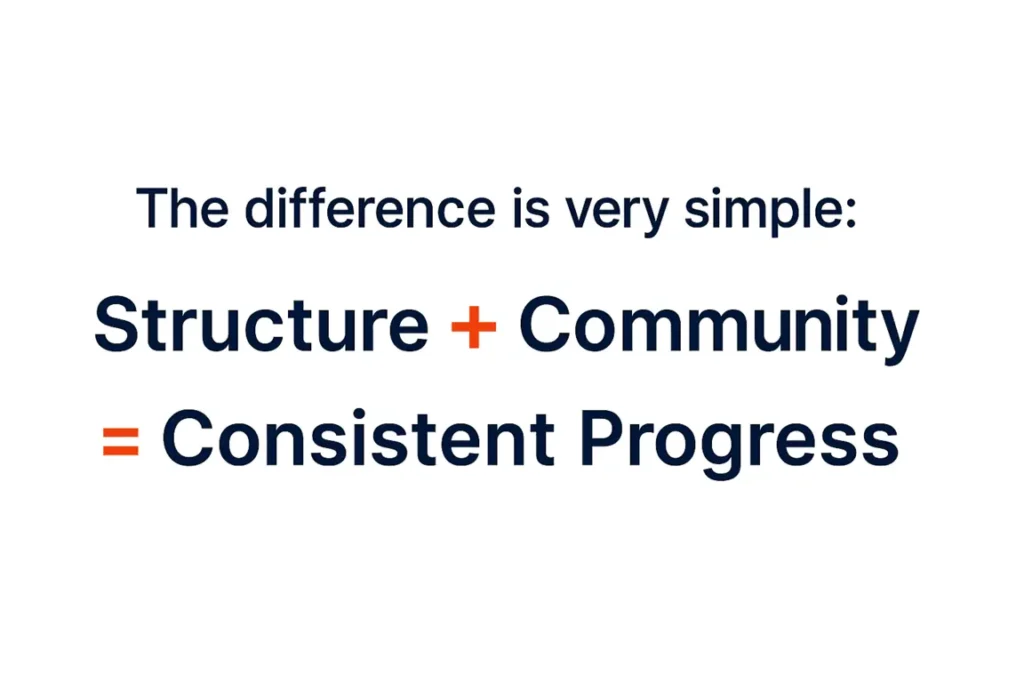
Cohorts keep the learners accountable. Cohorts give the learners support. Let the learners apply what they learned through discussion and collaboration. For organizations cohorts mean training that actually produces results.
Benefits of Cohort-Based Learning for Learners
Enhanced Collaboration and Peer Interaction
Students learn together through group discussions and collaborative problem-solving activities according to the cohort learning method. They learn better through interactive experiences with others which enhances their ability to remember information.
Tailored Learning Experiences
The instructor responds right away to student questions through content adjustments and feedback delivery that meets the present requirements of the student group. The group learning pace enables teachers to deliver support at the exact moment students require it.
Skill Development and Application
Cohort-based programs often include:
- weekly projects
- case studies
- group tasks
- challenges
Students can right away use their learned skills through hands-on activities which help them better understand the subject material.
Building a Supportive Learning Community
The cohort structure allows students to create learning communities which help them maintain their collective motivation. The networking opportunities between participants extend beyond program completion to create enduring benefits that self-paced courses cannot match.
Access to Mentorship Opportunities
The combination of live sessions and check-ins and office hours enables students to connect with experienced mentors which asynchronous courses typically do not provide. This guidance leads to stronger professional and personal growth.
Benefits of Cohort-Based Learning for Organizations
Enhanced Engagement and Motivation
When learners follow a schedule, attend sessions together, and collaborate on tasks, motivation rises. Cohort training programs also reduce drop-offs because participants feel part of a shared journey.
Organizations get more consistent, predictable learning outcomes.
Collaborative Learning Culture
Students who follow a schedule, participate in group sessions and work together on assignments will experience increased motivation. The cohort training model enables students to remain in school because it delivers an uninterrupted learning sequence.
Organizations achieve better learning results through their consistent and predictable training outcomes.
Organizations that implement cohort-based learning programs create environments which let staff members learn from each other while getting feedback to build their leadership abilities. The learning environment now operates as an ongoing shared process which eliminates traditional individual learning approaches.
Flexibility and Adaptability
Cohort training can be delivered:
- fully online
- hybrid
- in-person
- across multiple teams or regions
The ability to adapt training programs makes it an excellent solution for organizations that need to train their employees in different ways.
How to Design Effective Cohort-Based Learning Programs
In order to have a successful cohort-based course you need both structured organization and established learning rules. This will help you build strong student-to-student connections within their learning groups.
The following steps will help you create an effective cohort learning environment:
1. Define Learning Outcomes Clearly
The program should establish specific abilities that students need to acquire along with performance indicators for success. The defined learning objectives will guide the development of educational content and assessment methods.
2. Break Content Into Weekly Milestones
A well-organized pace keeps learners focused. Each week should have:
- a central topic
- an objective
- a live session or activity
- assignments or discussions
3. Mix Live and Asynchronous Activities
Effective cohort courses blend:
- live workshops for collaboration
- recorded materials for flexibility
- forum/Slack discussions for community
4. Build a Strong Community Space
Use channels inside your LMS or an external tool for:
- announcements
- group discussions
- Q&A
- networking
This space is the heart of a cohort.
5. Assign Meaningful Projects
Real-world tasks help learners apply knowledge immediately and ensure the training is results-focused.
6. Provide Clear Instructor Interaction
Set expectations for:
- weekly feedback
- availability
- office hours
- participation in discussions
Instructor presence is a major factor in cohort-based course success.
7. Personalize the Learning Experience When Possible
Offer optional paths, special sessions, or feedback tailored to each learner’s progress.
8. Use Analytics to Improve the Program
Track:
- engagement
- attendance
- assignment completion
- discussion activity
Analytics help identify learners who need support and improve the next cohort.
9. Choose the Right Partner for Course Creation
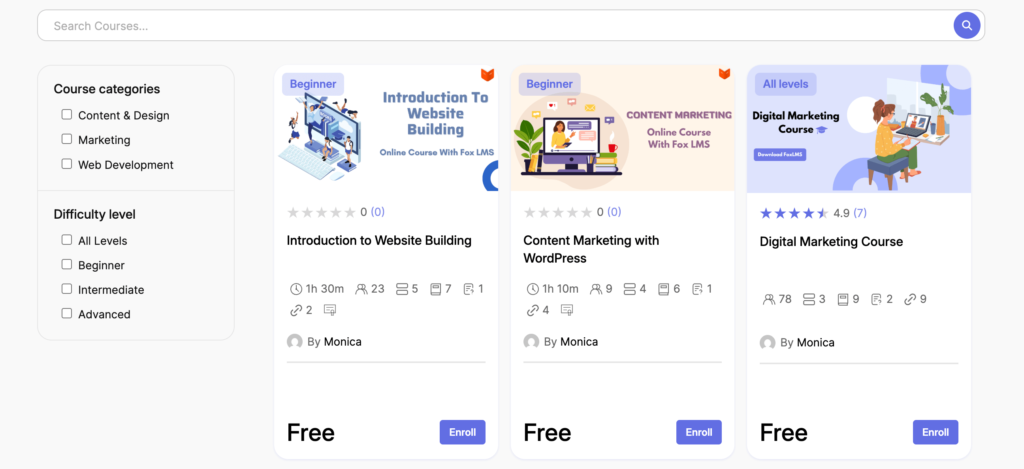
Doing proper research and choosing the right tools to support you throughout the course-building process is essential. The plugin you select should offer all the core functionalities you’ll need. It should not just be for today, but also scale as your course audience grows. A strong tool prevents roadblocks, scales with your content, and supports smooth learner management.
FoxLMS is built exactly for that.
It’s a complete WordPress LMS plugin that lets you create a course from A to Z:
- build structured lessons and modules
- upload videos, quizzes, assignments, and downloadable materials
- manage students and track progress
- automate enrollments and notifications
- handle payments and course access
FoxLMS gives you everything in one place. It helps you to focus on creating a high-quality learning experience, not managing technical complexity.
Conclusion
The cohort learning approach establishes an organized learning environment which enables students to collaborate through their acquired skills. Organizations achieve better teamwork and higher productivity and measurable employee training results through this approach.
The implementation of cohort-based programs with specific milestones and interactive elements and dedicated community areas and performance tracking systems enables you to develop an efficient learning system which exceeds traditional self-paced courses.
FAQ
1. How does cohort-based learning differ from self-paced learning?
The main distinction between cohort-based learning and self-paced learning exists in their educational approaches. Students in self-paced learning programs study independently at their own pace but cohort-based learning requires students to follow a scheduled timeline with built-in support and collaborative activities.
2. What types of courses work best as cohort-based training?
The cohort learning approach suits bootcamps, online professional development, corporate training, executive education programs, mentorship programs and fellowships.
3. Is cohort-based learning suitable for corporate teams?
Yes. The cohort model enhances team member participation while fostering teamwork and enables better skill development than standalone learning programs. It is also a great way to constantly track team progress.
4. How long does a cohort-based course typically last?
The duration of a typical cohort-based course extends from four weeks to twelve weeks but some programs require longer or shorter periods based on their complexity.
5. Do learners need prior experience before joining a cohort?
Not necessarily. Most cohort programs welcome students at any level but some professional courses need students to meet specific requirements.